Designing for Impact
Impact & Reflection
Outcome:
Delivered a functional prototype demonstrating feasibility of non-invasive lung cancer screening
Enhanced detection reliability through AI-driven analysis
Personal Takeaway:
This project reinforced the power of systems thinking and human-centered design in tackling complex health challenges. It also showed how storytelling can make technical solutions meaningful.
Figure 2: Conceptual illustration of volatile organic compounds (VOCs) in exhaled breath, which serve as biomarkers for lung cancer detection.
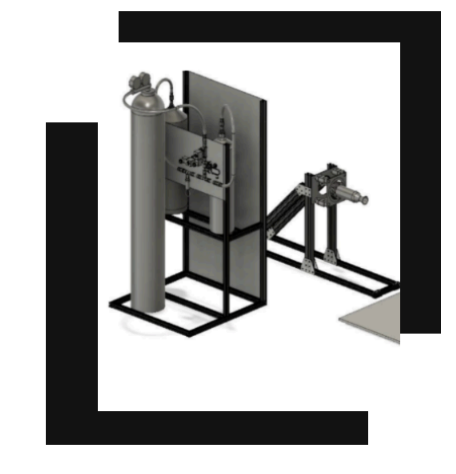
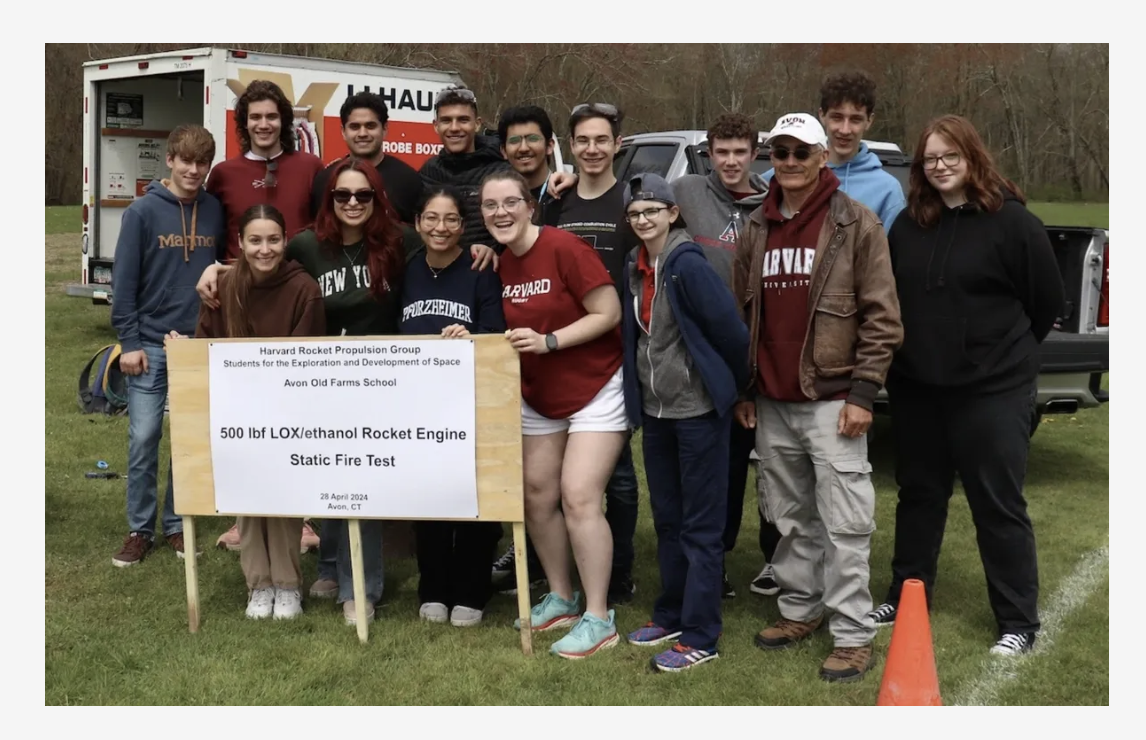
When you’re designing for rockets, precision isn’t optional, t’s survival. Our challenge: build a test stand that could handle extreme forces, unpredictable variables, and keep the team safe.
The Challenge
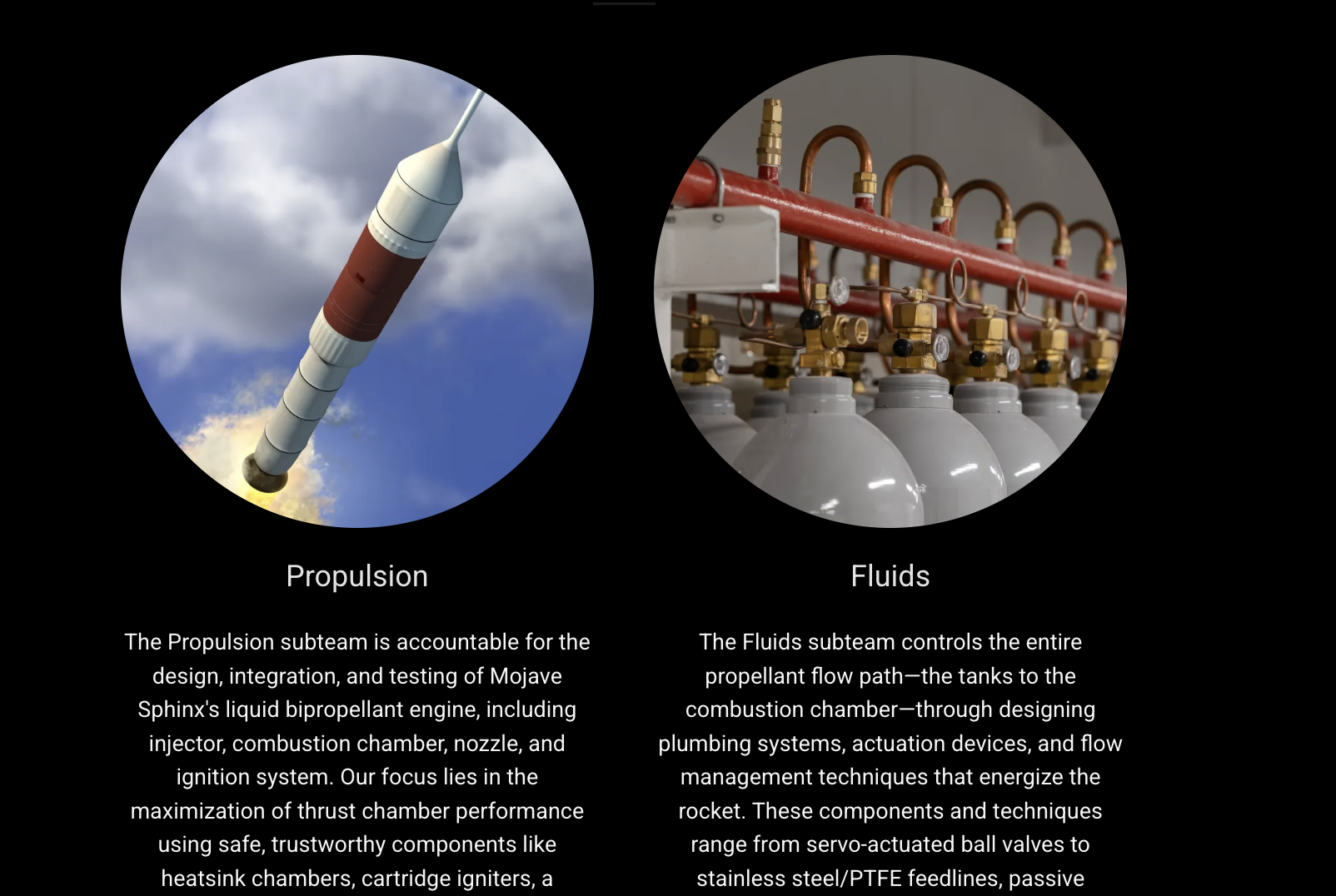
Testing propulsion systems for CubeSat and rocket engines.
Constraints: high pressure, thermal loads, safety, and usability for multiple subteams.
My Role
Led FEA and CAD modeling for propulsion and rover subsystems.
Designed visual dashboards to compare simulation vs. live-test performance.
Balanced design precision with usability, making tools accessible to mechanical and software teams.
The Process:
We started with sketches, moved to SolidWorks models, and ran stress simulations to predict failure points
Every iteration taught us something, from material limits to how a single bolt could change the entire load path.
The Outcome:
Enabled safe and efficient testing for propulsion systems.
Improved collaboration between hardware and software teams.
Delivered a design that was both robust and intuitive.
Prototype interface and backend code. The mobile UI displays breath analysis results for clinicians, while the code snippet shows the algorithm processing VOC sensor data for lung cancer prediction.
Designing for my passion: Airplanes
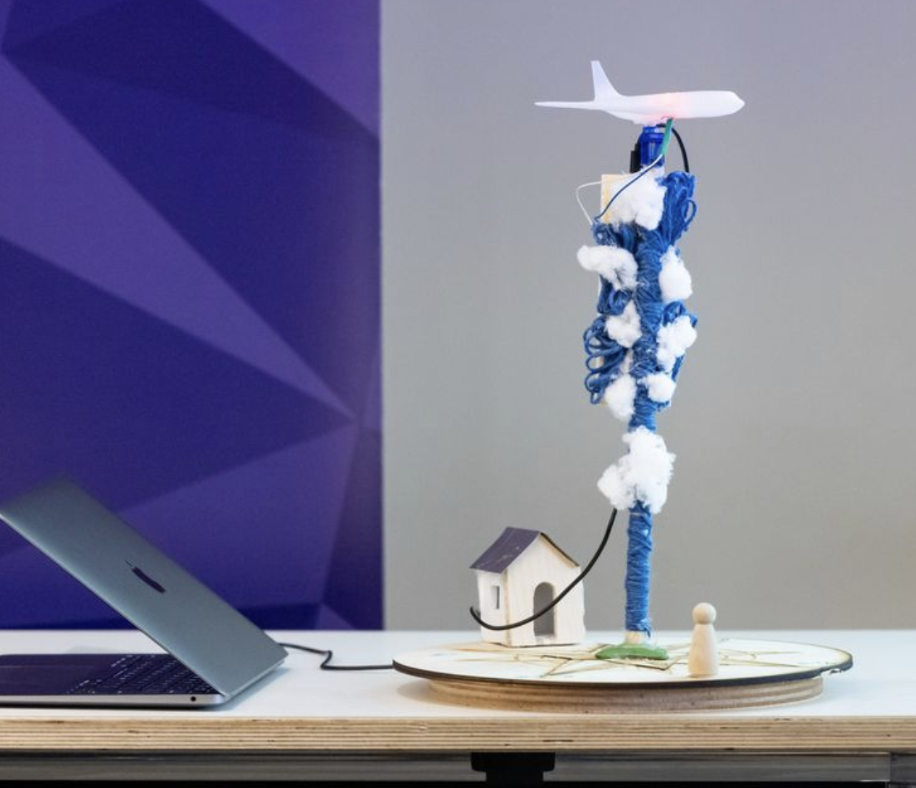
A Window Seat and a Thousand Questions Overview: A symbolic installation created at Camp EDI (orientation to my master's program) to represent my journey from childhood curiosity about flight to a career in engineering and design.
What I Made: 3D-printed airplane mounted on a vertical axis. Servo motor + LED light to animate the plane and highlight direction. Spiral structure with cotton clouds to evoke motion and atmosphere. Compass-inspired base pointing northwest, symbolizing my path to Northwestern.
Goal: To translate a personal story into a physical artifact that combines mechanical design, storytelling, and human-centered symbolism.
Skills & Tools: SolidWorks | 3D Printing | Arduino | Servo Actuation | Visual Storytelling
Why It Matters: This project reflects my design philosophy: technology should tell a story and earn trust. It’s not just about mechanics, it’s about meaning.
SpiroSniff: An AI-Driven Breathalyzer for Lung Cancer Detection
(Patent Pending Innovation)
Project Snapshot
Role: Systems Engineer, Integration between software and hardware
Timeline: 1 year
Tools: XCode, Solidworks, GitHub, Chemical Analysis
Team: 3 Engineers (Mechanical and Biomedical)
Figure 1: Workflow of SpiroSniff’s detection process. Breath samples are analyzed by VOC sensors, processed through a neural network, and converted into a likelihood score for lung cancer presence.
The Challenge
Lung cancer kills more people than any other cancer, yet early detection remains rare and invasive.
How might we create a non-invasive, affordable solution that empowers early diagnosis and saves lives?
Market Gap: Current screening methods are costly, uncomfortable, and inaccessible for many patients.
Scientific Basis: Volatile Organic Compounds (VOCs) in breath can indicate lung cancer biomarkers.
User Need: A portable, easy-to-use device that delivers reliable results without clinical complexity.
Figure 3: Traditional lung cancer diagnostic method—needle biopsy—highlighting the invasive nature of current screening techniques compared to SpiroSniff’s non-invasive approach.
Design Process
Ideation
Explored concepts for a handheld breathalyzer integrating AI for pattern recognition and predictive modeling
Chose chemicals most apparent in lung cancer patients and created a gas system in a chamber involving needle valves and sensors
System Architecture
Developed a modular design combining:
Gas sensor array for VOC detection
OLED display for real-time feedback
AI algorithm for improved sensitivity and specificity